
"cloudy coffee"
1000 article(s) found

Guatemala Antigua Coffee Beans Fresh Roast Guatemala Price Origin
The Akatango Valley rises to 2000 meters (6500 feet), is densely shaded and ecologically unique, and the nearby Fuego volcano is a fault eruption, making its coarse, sandy soil rich in various minerals. Temperate sea breezes from the Pacific Ocean and seasonal climates raise this region to 2000 meters (6500 feet) in the Guatemala Eqatango Valley.

What is the most famous boutique area of Colombian coffee? How to distinguish the freshness of coffee beans?
Professional coffee knowledge exchange more coffee bean information please follow the coffee workshop (Wechat official account cafe_style) Colombian boutique coffee is mostly from the southern areas, of which Hulia is the best-known boutique area, which has fertile valleys and cloudy Andes mountains, millions of years of volcanic ash-rich soil, giving birth to the best quality Colombian coffee

Carefully filter "sick problem beans"
Defective beans, as the name implies, are defective beans, bad beans, just like bad apples. There are a variety of reasons and many kinds of coffee. Here is a detailed description of the things that affect the quality of coffee. A variety of factors can cause defective beans. Defective beans can be produced as large as the growing environment of coffee trees and as small as the process of harvesting and processing raw beans. But don't.

Characteristics and attributes of coffee in eight producing areas of Guatemala
The Ekatlago Valley is 2000 meters (6500 feet) above sea level, with dense shade and unique ecology. The nearby Fuego volcano erupts, making its coarse, sandy soil rich in a variety of minerals. Temperate sea breezes from the Pacific and a seasonal climate allow coffee in this region to be dried by sunlight and processed according to traditional family methods that have been accumulated over the years. [characteristics]

Defective beans-a fatal wound in the taste of coffee
The grapes produced on the same vine may not necessarily have a sweet and sour taste, not every grape may have a good appearance and consistent maturity, some may have been bitten by insects, some may be stunted, and so on. This is a normal phenomenon, and so is coffee. The raw coffee beans obtained from the treated coffee fruits are not always good.

Characteristics of Coffee from Eight Major Producing Areas in Guatemala
Elevated to 2000 meters (6500 feet), it is densely shaded and ecologically unique, with the nearby Fuego volcano erupting intermittently, making its coarse, sandy soil rich in minerals. Temperate sea breezes from the Pacific Ocean and seasonal climates allow this region's coffee to be sun-dried and processed by home-style traditional methods accumulated over the years. [Features] Acidity is obvious, dry

Columbia Sun Yun Mu Manor Rose Summer Coffee how to taste _ Rose Summer how to taste good
Professional coffee knowledge exchange more coffee bean information please follow the coffee workshop (Wechat official account cafe_style) Colombia Finca Las Nubes Colombian sun rosy summer Colombian sun cloud rosy summer, the first entrance clean and smooth, then the taste of preserved fruit and apricot popped out, like beautiful ripples on the calm lake. The acidity is particularly soft and balanced.
Eight coffee producing areas in Guatemala
For more information on coffee beans, please follow the Coffee Workshop (official Wechat account cafe_style) [introduction] the Ekatlum Valley rises to 2000 meters (6500 feet) with dense shade and unique ecology. The eruption of the nearby Fuego volcano has made its coarse, sandy soil rich in various minerals. Temperate sea breezes from the Pacific and distinct seasons

Introduction to the flavor and taste of coffee from Incht Manor, Guatemala, with a very strong flavor.
Rich volcanic soil, low humidity, plenty of sunshine and cool nights are the climatic characteristics of Antigua coffee producing areas. The valley is surrounded by three volcanoes: Agua, Fuego and Acatenango. Tierra del Fuego volcano is one of the three most active volcanoes in Guatemala, and the ash from frequent eruptions makes Antigua.

A brief introduction to the flavor, taste and aroma characteristics of Valenford Manor, an ancient coffee farm in Jamaica.
Coffee is the main cash crop in Jamaica. This beautiful small island country in the Caribbean has a mountain range, which is reflected by the blue water on a clear day, so it is called the Blue Mountain. The blue mountains are sunny and cloudy all the year round, and the unique environment makes the coffee grown here have a perfect balance of sweet, sour and bitter taste, so it has become the world.
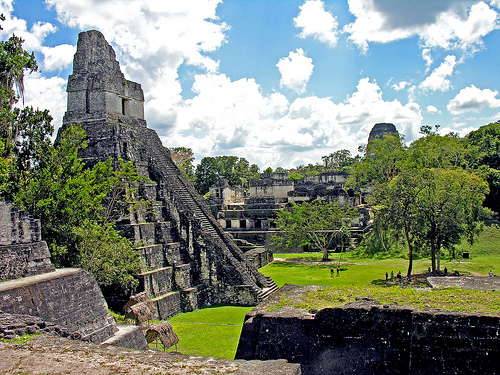
Characteristics and attributes of coffee in eight producing areas of Guatemala
The Ekatra Valley rises to 2000 meters (6500 feet), with dense shade and unique ecology, and the nearby Fuego volcano erupts, making its coarse, sandy soil rich in a variety of minerals. Temperate sea breezes from the Pacific and a seasonal climate allow coffee in this region to be dried by sunlight and processed according to traditional family methods that have been accumulated over the years. [characteristics]

Flavor description of coffee beans in eight producing areas of Guatemala
The Ekatlago Valley is 2000 meters (6500 feet) above sea level, with dense shade and unique ecology. The nearby Fuego volcano erupts, making its coarse, sandy soil rich in a variety of minerals. Temperate sea breezes from the Pacific and a seasonal climate allow coffee in this region to be dried by sunlight and processed according to traditional family methods that have been accumulated over the years. [characteristics]

Characteristics and attributes of coffee in eight producing areas of Guatemala
The Ekatlago Valley is 2000 meters (6500 feet) above sea level, with dense shade and unique ecology. The nearby Fuego volcano erupts, making its coarse, sandy soil rich in a variety of minerals. Temperate sea breezes from the Pacific and a seasonal climate allow coffee in this region to be dried by sunlight and processed according to traditional family methods that have been accumulated over the years. [characteristics]
What are the producing areas of Guatemalan coffee beans in volcanic geology
Rising to 2000 meters (6500 feet), with dense shade and unique ecology, the nearby Fuego volcano erupts, making its coarse, sandy soil rich in a variety of minerals. Temperate sea breezes from the Pacific and a seasonal climate allow coffee in this region to be dried by sunlight and processed according to traditional family methods that have been accumulated over the years. [characteristics] obvious acidity, dry

Introduction of eight different producing areas of coffee beans in Guatemala
The Ekatlago Valley is 2000 meters (6500 feet) above sea level, with dense shade and unique ecology. The nearby Fuego volcano erupts, making its coarse, sandy soil rich in a variety of minerals. Temperate sea breezes from the Pacific and a seasonal climate allow coffee in this region to be dried by sunlight and processed according to traditional family methods that have been accumulated over the years. [special]

Coffee planting Garden Coffee Baking Competition
The planting time of coffee is from June to July after the beginning of the rainy season. The planting day is cloudy or light rainy, and can be planted all day. If the planting day is sunny, it should be planted before 11:00 and after 04:30 in the afternoon. Seedlings should choose 5 pairs of true leaves, with a height of more than 0.15 meters, and strong seedlings without branches. The row spacing of planting plants is 1.2 meters and 333 plants are planted per mu.
Characteristics and attributes of coffee from eight major producing areas of Guatemala
The Ekatlago Valley is 2000 meters (6500 feet) above sea level, with dense shade and unique ecology. The nearby Fuego volcano erupts, making its coarse, sandy soil rich in a variety of minerals. Temperate sea breezes from the Pacific and a seasonal climate allow coffee in this region to be dried by sunlight and processed according to traditional family methods that have been accumulated over the years. [characteristics]
Major coffee producing countries
* Brazil is the main coffee producer in the world, accounting for 1gam3 of the total output in the world. Brazil has 10 states that produce coffee beans. Because of the differences in region and weather, the quality of Brazilian coffee beans is inevitably mixed. Therefore, Brazilian coffee beans are divided into NO.1~NO.3,Screen18,Screen19 according to grade, so that the quality remains tidy and can be processed and roasted with better results. Brazilian coffee.
Common sense of Coffee characteristics of Coffee in eight producing areas of Guatemala
The Ekatra Valley rises to 2000 meters (6500 feet), with dense shade and unique ecology, and the nearby Fuego volcano erupts, making its coarse, sandy soil rich in a variety of minerals. Temperate sea breezes from the Pacific and a seasonal climate allow coffee in this region to be dried by sunlight and processed according to traditional family methods that have been accumulated over the years. [characteristics]
Characteristics and attributes of coffee from eight major producing areas in Guatemala Guatemala
The Ekatlago Valley is 2000 meters (6500 feet) above sea level, with dense shade and unique ecology. The nearby Fuego volcano erupts, making its coarse, sandy soil rich in a variety of minerals. Temperate sea breezes from the Pacific and a seasonal climate allow coffee in this region to be dried by sunlight and processed according to traditional family methods that have been accumulated over the years. [characteristics]